On-line Safety
Children are introduced to digital technology from an early age and routinely access the internet through a wide range of devices, including computers, tablets, mobile phones and games consoles, both at home and in school. As online activity continues to increase, the school recognises the importance of ensuring that children and young people are able to use the internet safely, responsibly and respectfully.
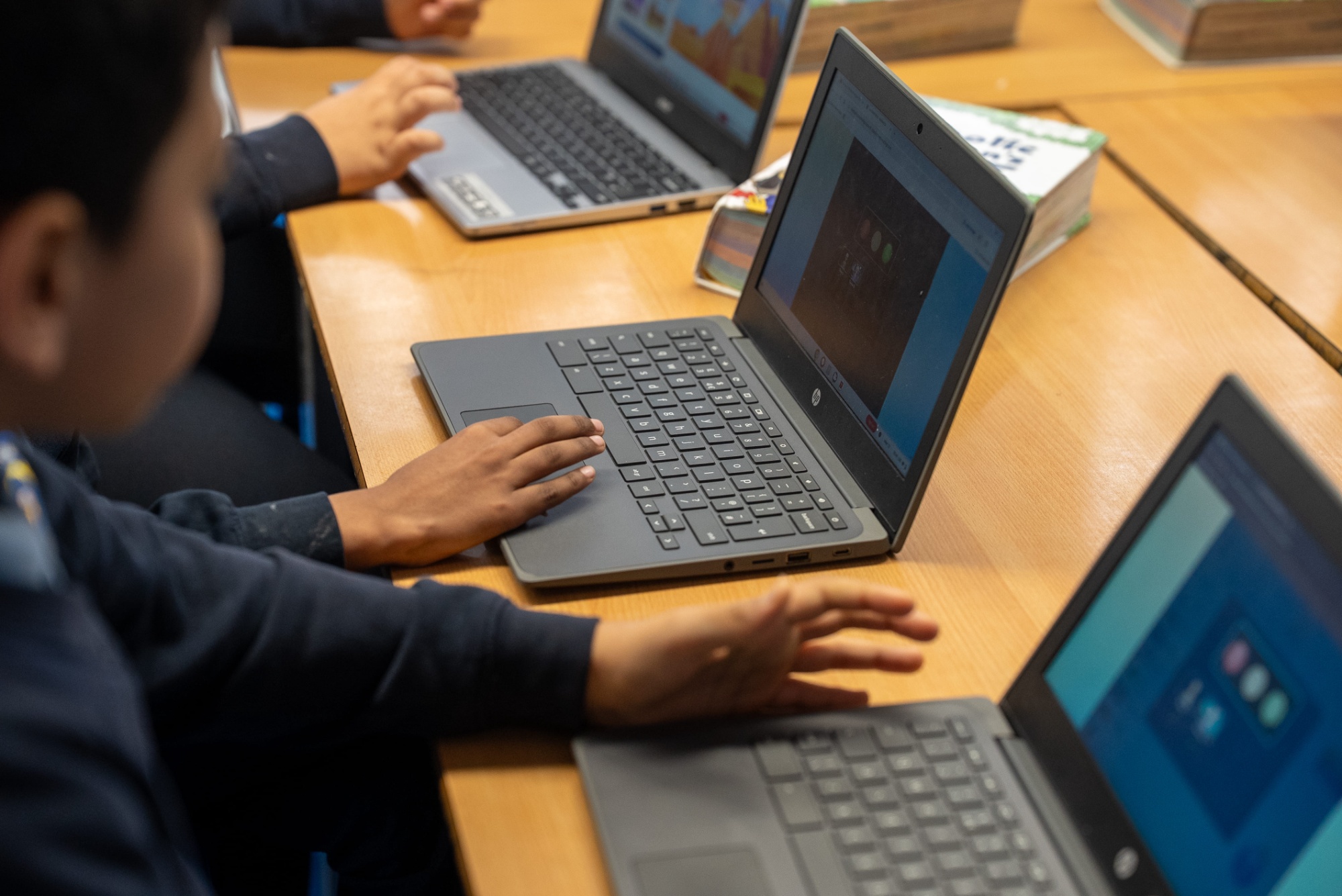
In line with Keeping Children Safe in Education (KCSIE), the school has a statutory duty to safeguard and promote the welfare of all pupils, including protecting them from potential online harm. This includes risks relating to content, contact, conduct and commerce. Online safety is therefore embedded within the curriculum and the wider safeguarding framework, with appropriate filtering and monitoring systems in place, clear policies and procedures, and regular staff training. Pupils are taught how to stay safe online and are encouraged to report any concerns, ensuring they feel supported both in and beyond the school environment.
Reporting Online Abuse
 Child Exploitation and Online Protection Centre) works to protect children from harm online and offline, directly through CEOP led operations in partnership with local and international agencies. Their website offers further support in how and when to make use of this report function.
CEOP advises parents to call 999 immediately if a child is in urgent danger, such as planning to meet someone they have met online. Do not delete any messages, images or conversations, and do not contact the person involved yourself. Most websites and apps also have reporting and blocking tools that should be used where appropriate.
Smart
We follow the SMART rules to help keep us safe:
- Safe: Keep safe by being careful not to give out personal information when you’re chatting or posting online. Personal information includes your email address, phone number and password.
- Meet: Meeting someone you have only been in touch with online can be dangerous. Only do so with your parents’ or carers’ permission and even then only when they can be present. Remember online friends are still strangers even if you have been talking to them for a long time.
- Accepting: Accepting emails, IM messages, or opening files, images or texts from people you don’t know or trust can lead to problems – they may contain viruses or nasty messages!
- Reliable: Someone online might lie about who they are and information on the internet may not be true. Always check information by looking at other websites, in books, or with someone who knows. If you like chatting online it’s best to only chat to your real world friends and family.
- Tell: Tell a parent, carer or a trusted adult if someone, or something, makes you feel uncomfortable or worried, or if you or someone you know is being bullied online.
Cyberbullying
Cyberbullying happens when someone uses the internet or mobile phones to send nasty or upsetting messages, make harmful calls, or post hurtful content.
If this happens to you:
-
Don’t respond – avoid replying to upsetting messages.
-
Save the evidence – keep emails, texts, or messages to show a trusted adult.
-
Tell a trusted adult – they can help stop it and support you.
-
Need confidential help? Call Childline on 0800 1111.